Featured Press

Dr. Azza Halim has been featured or quoted in all of the following media.  Her expertise is widely acknowledged and her patients are proud to have such an experienced practitioner who has worked in all corners of the globe.

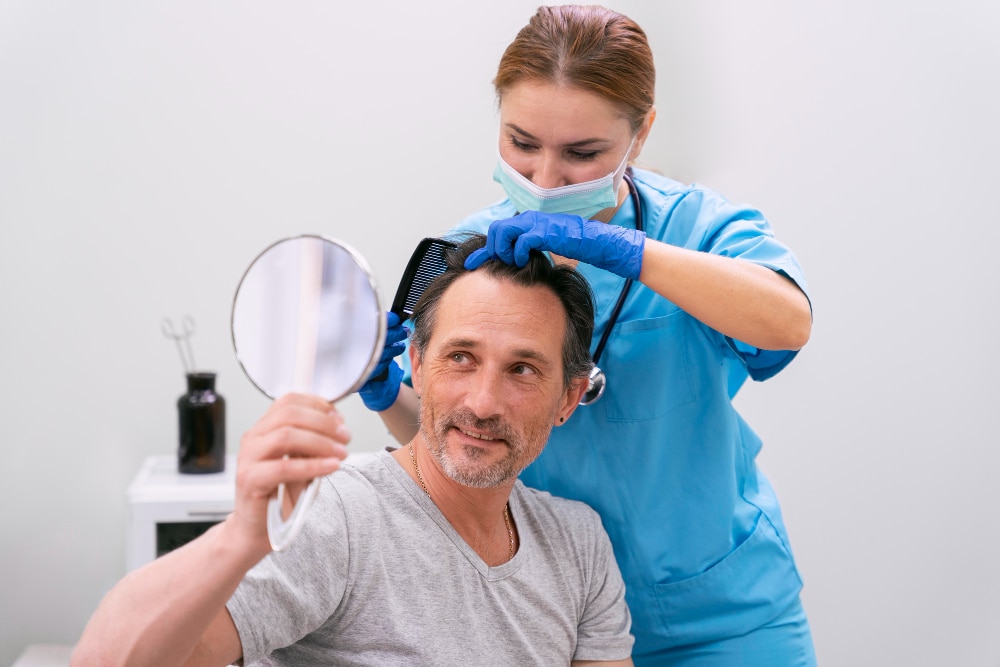
Hair Restoration with patient checking
Hair

Choosing a Hair Restoration Surgeon: What to Look For

Hair restoration is a significant decision that can have a lasting impact on your appearance and confidence. Selecting the right surgeon is crucial to achieving the best possible outcome. Here are vital factors to consider when choosing a hair restoration surgeon to ensure you receive top-quality care and results. Qualifications and Experience When it comes to hair restoration, the surgeon’s qualifications and experience are paramount. Board Certification: Ensure the surgeon is board-certified in dermatology or plastic surgery. Certification from the American Board of Hair Restoration Surgery (ABHRS) is also a strong indicator of expertise. Years of Experience: A surgeon with several years of experience in hair restoration will have honed their skills and developed a keen eye for natural-looking results. Specialization: Look for a surgeon who specializes exclusively in hair restoration rather than one who practices it as part of a broader range of cosmetic procedures. Hair Restoration Techniques and Technology Hair restoration techniques have evolved significantly over the years. Understanding the surgeon’s methods and technology can help you make an informed choice. FUT vs. FUE: Familiarize yourself with the two primary hair transplant techniques: Follicular Unit Transplantation (FUT) and Follicular Unit Extraction (FUE). Each has pros and cons, and the proper technique for you will depend on your specific needs and goals. Advanced Technology: Surgeons who utilize the latest technology and equipment often achieve better results. Ask about the tools and methods they use for harvesting and implanting hair follicles. Customized Treatment Plans: A reputable surgeon will create a personalized treatment plan based on your hair type, extent of hair loss, and desired outcome. Before-and-After Photos Reviewing before-and-after photos of previous patients can give you a realistic idea of the surgeon’s capabilities and the results you can expect. Consistency: Look for consistent, natural-looking results across multiple patients. Diversity: Ensure the surgeon has experience with patients with hair types and hair loss patterns similar to yours. Quality: High-quality photos showing the transformation can help you assess the surgeon’s skill and attention to detail. Patient Reviews and Testimonials Patient reviews and testimonials provide valuable insights into the surgeon’s practice and patient satisfaction. Online Reviews: Check reviews on independent websites like RealSelf, Google, and Yelp. Pay attention to comments about the surgeon’s professionalism, the quality of care, and the results. Testimonials: Many surgeons feature patient testimonials on their websites. These can provide a more detailed account of the patient experience and outcome. Patient Referrals: Speak with former patients to get firsthand feedback about their experience with the surgeon. Consultation Process The consultation process allows you to evaluate the surgeon and their approach to hair restoration. Comprehensive Evaluation: A thorough consultation should include assessing your medical history, hair loss pattern, and scalp condition. The surgeon should also discuss your goals and expectations. Transparency: The surgeon should provide clear information about the procedure, including potential risks, benefits, and recovery time. Comfort Level: Your comfort and trust in the surgeon are crucial. Ensure you feel at ease discussing your concerns and that the surgeon listens attentively and addresses your questions. Cost and Financing Options Hair restoration can be a significant investment, so it’s essential to understand the costs involved and the available financing options. Detailed Estimate: The surgeon should provide a detailed estimate that includes all costs associated with the procedure, such as surgeon fees, anesthesia, and post-operative care. Financing Plans: Many practices offer financing plans to make the procedure more affordable. Inquire about available options and choose a plan that fits your budget. Value Over Price: While cost is an essential factor, prioritize the surgeon’s qualifications, experience, and quality of care over price. A successful procedure is worth the investment. Post-operative Care and Support Post-operative care is critical to the success of your hair restoration procedure. Ensure the surgeon provides comprehensive support throughout the recovery process. Follow-Up Appointments: Regular follow-up appointments allow the surgeon to monitor your progress and address concerns. Support Services: The practice should offer support services, such as access to a nurse or a helpline, for any questions or issues that arise after the procedure. Instructions and Guidelines: The surgeon should provide clear post-operative instructions and guidelines to promote healing and optimize results. Conclusion Choosing the right hair restoration surgeon is essential for achieving natural-looking, long-lasting results. By considering the surgeon’s qualifications, experience, techniques, and patient feedback, you can confidently make an informed decision and embark on your hair restoration journey. Frequently Asked Questions 1. Who is Azza Halim, MD and what is her expertise in hair restoration? Azza Halim, MD, is a renowned hair restoration specialist with extensive experience providing natural-looking hair transplants using the latest techniques and technology. She is known for her personalized approach and high patient satisfaction. 2. How do I know I’m a good candidate for hair restoration surgery? You might be a good candidate for hair restoration if you have significant hair loss, healthy donor hair, and realistic expectations about the outcomes. A consultation with a qualified surgeon will help determine your suitability. 3. What are the differences between FUT and FUE hair transplant techniques? FUT (Follicular Unit Transplantation) involves removing a strip of scalp to harvest hair follicles. At the same time, FUE (Follicular Unit Extraction) extracts individual follicles. FUE is less invasive and has a quicker recovery time, but both methods can provide excellent results. 4. What should I expect during my consultation with Azza Halim, MD? During your consultation with Azza Halim, MD, you can expect a comprehensive evaluation of your hair loss, a discussion of your goals, and a personalized treatment plan. Dr. Halim will explain the procedure, answer your questions, and provide guidance on the best approach for your needs. 5. How long is the recovery period after hair restoration surgery? The recovery period varies, but most patients can return to normal activities within a week. Full recovery and the appearance of new hair growth typically occur over several months. Your surgeon will provide specific post-operative care instructions to ensure optimal healing and results. Restore Your Confidence with Azza

Read More »

When Hair Thinning Is a Cause for Concern

by Meg Hemphill I remember choking back tears at the hair salon a few years back, as the young intern combed fistful-size clumps of wet hair away from my scalp and remarked in her flat, unconcerned 18-year-old voice: “This is a lot of hair.” That was an understatement. I was four months postpartum and had an overactive thyroid — two potent contributors to hair loss. An astute hairdresser might have noted that it was an unusually large amount, something I might want to see a doctor about. When is hair thinning a cause for alarm? For starters, most healthy adults lose around 100 strands per day as part of the hair’s growth cycle. But most of us aren’t going to collect our strands (if we even could) and do a daily tally. So what does above-average shedding look like? “If one notices hair on the pillow or clumps of hair in the brush or comb, then that may be a sign of thinning or hair loss,” says Azza Halim, MD, a board-certified anesthesiologist and physician. Putting a hair-catcher in your shower can also help you evaluate how much you’re shedding. Hair loss can be gradual, including a slowly receding hairline, a widening part or a ponytail that gets thinner and thinner. Or it might be more sudden, with patches of hair falling out. What about where it falls out of the scalp? Yes, that can determine what you might be dealing with. For example, if it’s even along the hairline or at the temples, that might be pattern baldness; if it’s round patches, that could be the autoimmune disease alopecia areata; whereas a circular loss of hair could signify ringworm; scaly patches may mean scalp psoriasis. And then you need to take into account other symptoms you may be experiencing: Burning, stinging or intense itching? Swelling and sores? Weight loss? Increased heart rate? Once you note all the other things that don’t seem right with you, head to a health professional (a primary care physician or a dermatologist are good places to start). Tell him or her about the hair loss concerns as well as any other symptoms you’re experiencing, which will help guide them to what might be causing the hair loss. Don’t DIY. “Hair loss must be diagnosed to determine the cause, then treat it accordingly, as some types are reversible and others are not,” says Dr. Halim. Read the full article on Sunday Edit

Read More »

The Best Vitamin-Rich Foods for Skin and Hair

By: Leesa Morales, MScN Everyone wants clear, glowing skin and shiny, strong hair. But you may not know that it’s food and not supplements that help ensure a healthy complexion and lush tresses. Support Clear Skin and Shiny Hair With These Tips From a functional medicine* perspective, beauty starts from the inside out. We’ve identified eight of the most essential nutrients to include in your diet to support skin and hair health, and why it’s important to source them from food first before resorting to supplements. *According to the Institute of Functional Medicine, “functional medicine determines how and why illness occurs and restores health by addressing the root causes of disease for each individual.” Read the full article on HGTV

Read More »

Why Do Men Go Bald? We Asked Hair Experts

By Bryan LevandowskiReviewed by Sophia Emmanuel Trichologist One of the best parts about our halcyon days as children is that we don’t have to worry about hair loss. Of course, there are a million other benefits that come before that, but the fact that two-thirds of men in America will face some degree of balding before they turn 35—25% of which will experience male pattern baldness before they’re old enough to drink—sees a growing number of men looking to face the problem head-on.1 When it comes to men’s hair loss, there seem to be two different camps. There’s the guy who takes it in stride—after all, it’s the age of body positivity and aging gracefully. No muss, no fuss, they rock their shiny heads with pride and live happily ever after. Then there’s the guy who sees his thinning hair and receding hairline as a burden that dulls his self-esteem and affects his social life. To both guys, if you’re listening: it’s not your fault. The majority of hair loss stems from your genes, meaning you don’t really get much of a say in the matter. The good news is, there’s plenty you can do about it. That is, if you choose to.  Why do men go bald? It’s a question we hear all too frequently here at Byrdie Boy, so let’s take a proper exploration into the reasons men go bald, what we can do about it, and how we can prevent it. To get our facts straight, we consulted Board-certified physician Azza Halim, M.D. and the team par excellence of all things hair loss, the trichologists at Philip Kingsley, and asked the age-old question: Why do men go bald?  Read more on Byrdie

Read More »

The 9 Best Shampoos for Thinning Hair, According to Experts

They help strands grow longer and stronger over time. By Rebecca Deczynski Published on March 26, 2021 If you finish every hair wash day by cleaning up an alarming number of fallen strands from your shower drain, you’re not alone. Hair loss is a common issue that can be caused by chronic illness, pregnancy, menopause, genetics, stress, and a number of other factors. By seeing a medical professional—whether it’s a dermatologist or a hair loss specialist like a trichologist—you can get to the (literal) root of your hair loss and then determine the best way to treat it. There are many methods that can help thicken your strands, from using hair growth serums (including clinically proven topical treatments like minoxidil, aka Rogaine) to taking vitamins for hair growth to getting in-office treatments. Shampoo is just one part of the equation, but when you use the right product for the issues you’re facing, you’re more likely to get the results you want. We tapped dermatologists, as well as a physician and a trichologist, to learn which shampoos they recommend most for thinning strands and hair loss. These are the 9 best shampoos for thinning hair, according to experts: Best Overall: Nizoral Anti-Dandruff Shampoo Most Nourishing: Alterna Caviar Anti-Aging Clinical Densifying Shampoo Best Budget Option: Viviscal Gorgeous Growth Densifying Shampoo Best Clarifying: Ouai Detox Shampoo Best Strengthening: Isdin Lambdapil Hair Loss Shampoo Best for Scalp Health: Advanced Trichology HairStem Shampoo Most Customizable: Nioxin Cleanser Shampoo Best Volumizing: Biolage Advanced Full Density Thickening Shampoo Best for Damaged Hair: Olaplex No.4 Bond Maintenance Shampoo What shampoo you use is just as important as how often you use it. “Proper daily shampooing can help stimulate the scalp as well as unclog hair follicles and clear accumulated oil, sebum, and dry skin,” physician Azza Halim, MD, tells Health. “One should shampoo at least every three days to stimulate and keep the scalp clean.” Read more on Health

Read More »
Skip to content